
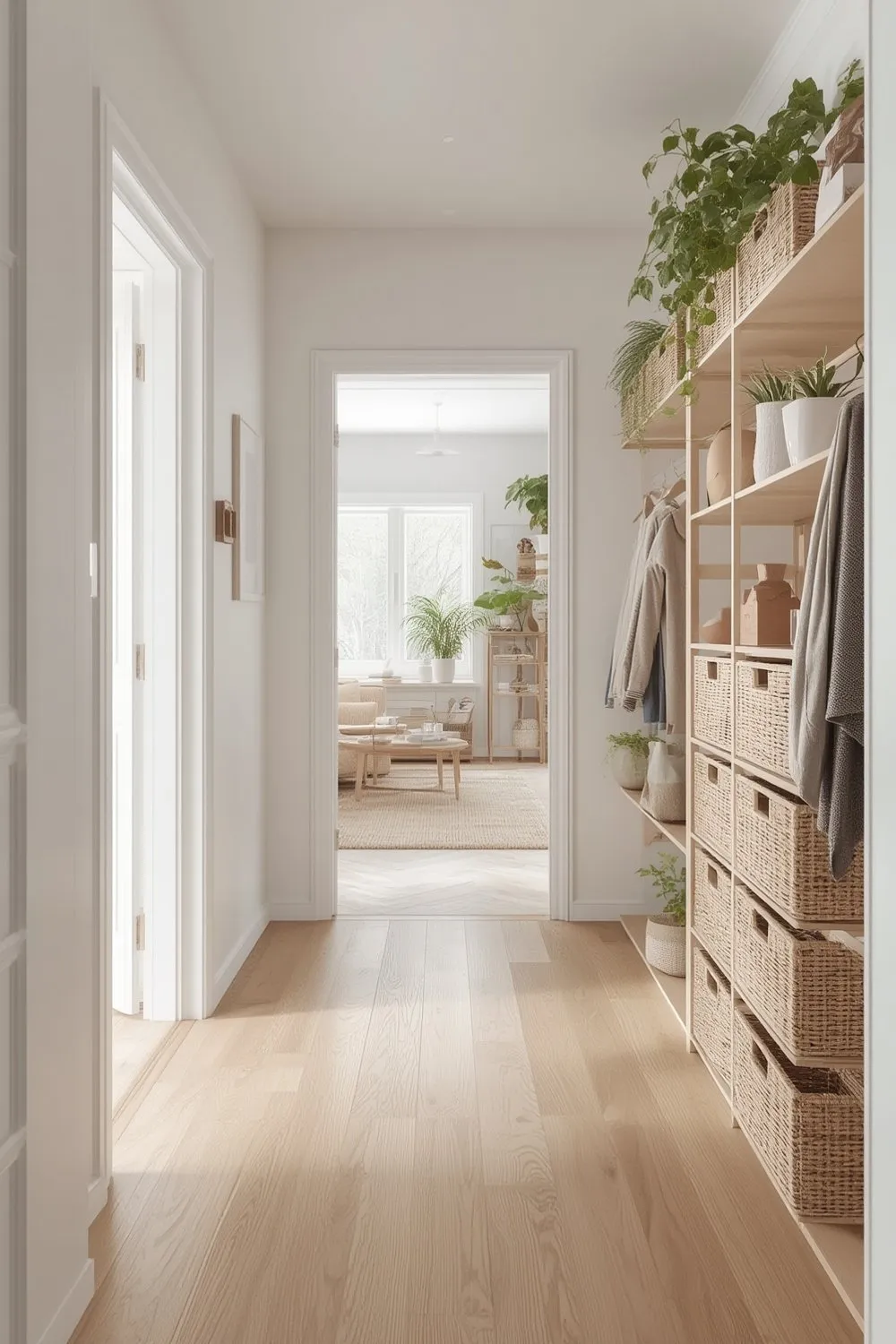
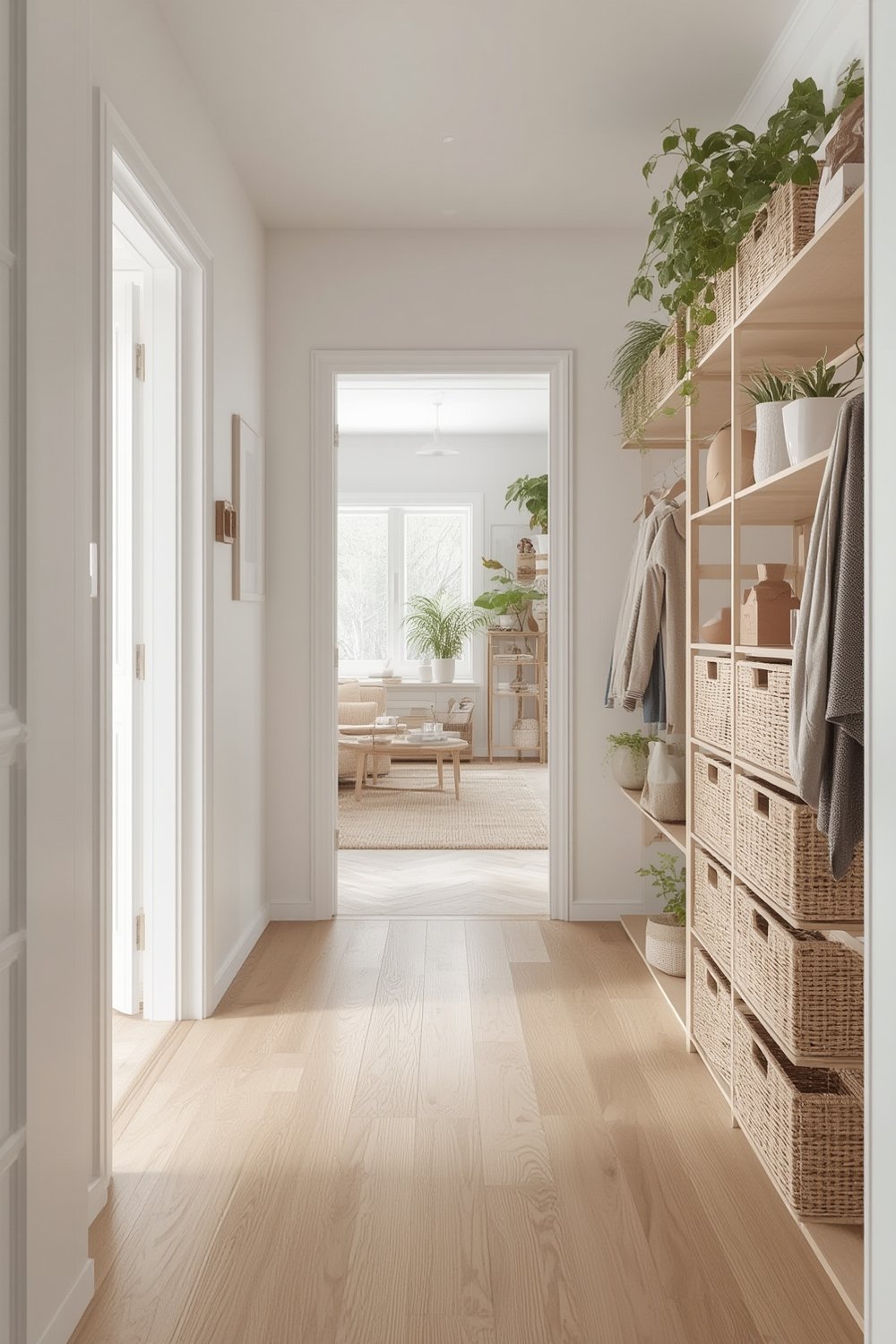
Vertical storage ideas can instantly transform a small apartment or micro-home by giving you more space without using up your limited floor area. Whether you rent or own, the right vertical shelving unlocks more storage, less clutter, and a totally different feel—if you avoid the classic mistakes that lead to safety or rental headaches. This realistic guide covers everything you must know before installing, the real customer pain points, key safety rules, and three original hacks you will not find anywhere else.
Table of Contents
Why vertical storage is the fastest win in small spaces
If you live in an urban apartment or small house, you’ve probably felt the frustration of cluttered floors and overflowing cabinets. Adding vertical shelving for small spaces is the single biggest “space multiplier”—giving you storage upward, not outward. This approach doesn’t force you to give up living space or crowd your walkways. No one wants extra clutter or obstacles in 400–800 sq ft, so using wall space or even the back of closet doors is the only logical move. The fact: no recent 2023–2024 surveys precisely quantify how many people see lack of vertical storage as their main pain point, but nearly every city-dweller faces this struggle. The intention here is simple: maximize usable storage, minimize footprint, and keep everything easily accessible.
Real user pain points with wall-mounted storage (what to avoid)
Before you rush to buy wall mounted storage solutions, read what real customers say. The most common pain points—according to Wayfair and ConsumerAffairs reviews—are:
- Poor assembly and incompatible or missing parts (leads to frustration and wasted money)
- Structural failures, especially shelf collapse or hardware that simply breaks or doesn’t fit
- Shelves or racks buckling over time, especially if not anchored correctly
- Doors that slip off track, causing injury risks or making storage unusable
- Unhelpful post-purchase customer service (for missing parts or returns after 30 days)
Most people expect a simple install. The truth is, even the best wall storage hacks can become a headache due to manufacturing defects, unclear instructions, or quality issues. Collapsing units have been reported (CPSC warning)—not just inconvenience, but serious safety hazards.
Crucial safety guidance: official warnings and how to respond
Safety matters more than space. In 2025, the Consumer Product Safety Commission (CPSC) issued an urgent hazard alert for LIANTRAL heavy-duty wall mounts (sold on Amazon) after 13 reported incidents—these included collapse due to weld failure, putting users at risk. Their guidance:
- Immediately stop using any units showing signs of buckling, bends, weld cracks, or instability
- Always anchor heavy units directly to studs using the right heavy-duty wall anchors—avoid “feet-only” support systems
- If purchasing over door storage organizers, check weight ratings and only use them for light to medium loads
There are no universal weight-limits for all wall mounted storage solutions, so always follow the conservative max load recommended by the manufacturer. When in doubt, under-load rather than overload.
Mounting basics for renters vs. owners (safe, reversible methods)
Not all vertical shelving for small spaces is equal, especially for renters. If you own your home, permanent stud-mounted tall narrow storage cabinets or wall mounted shelving offer maximum stability and capacity. Use a stud finder, drill into solid wood or metal studs, and consider professional installation for the heaviest units.
If you rent or want minimal wall impact, there are alternatives:
- tension-based systems: Use from ceiling to floor and don’t require any drilling. Essential for lighter loads and can be removed without leaving marks.
- High-quality over door storage organizers: Instant extra space for bathrooms and entryways; no holes or tools needed, but always check door frame compatibility and loading guidance.
- Rail systems with minimal holes: One or two well-placed anchors can support a set of hooks or bins. Patch holes easily with spackle when you move out.
- Professional removable anchors: Some wall anchor brands are engineered to be pulled and patched invisibly—great for those worried about security deposits.
Never use feet-only support for heavy wall storage hacks; shelving and tall cabinets need at least some wall or stud anchoring if weight exceeds a few kilograms. No universal load charts exist, so stick to “less is more”—it’s better to use several light shelves than overload one weak one.
Materials, lifespan & maintenance — MDF vs. metal vs. solid wood
Material matters if you want your investment to last. Here’s what you need to know about the three main options for tall narrow storage cabinets and vertical shelving:
| Material | Durability | Moisture Resistance | Maintenance | Expected Lifespan | Best For |
|---|---|---|---|---|---|
| MDF/Particleboard | Low to Moderate | Poor; swells easily | Wipe only; avoid moisture | ~4 years (based on reviews) | Budget, temp solutions |
| Metal | Moderate to High | Good if painted/coated | Check welds; clean periodically | Varies (watch for weld failures) | Heavy loads, industrial look |
| Solid Wood | High | Good with finish | Refinish as needed | Long (no direct data) | Permanent, premium installs |
Consumer reports suggest cheap MDF storage often breaks in under four years (see real reviews), while metal racks can fail at weld points if overloaded. No strong data exists for solid wood, but well-made pieces last much longer. For bathrooms or high-humidity zones, metal or sealed wood are safest.
Costs and budgeting — what the research did (and didn’t) reveal
Most product listings show only the shelf or cabinet price, not total cost for a safe install. For most vertical storage ideas, typical items cost:
- Over door storage organizers: $30–$90, install it yourself in minutes
- Basic vertical shelving kits: $40–$120, plus $10–$30 for fasteners/anchors if needed
- Tall narrow storage cabinets (free-standing): $100–$300 (not including haul/assembly)
Sourcing pro installation or handyman help for wall mounted storage solutions can easily double your total cost—expect to pay $50–$150+ for hanging several shelves or securing a heavy cabinet. No 2024 average install cost data for rentals vs. owner-occupied spaces was found (see BBB complaints for typical issues), so budget conservatively: add 25–30% for tools, patching supplies, or professional help if you’re new to DIY.
Renters: stick to reversible options unless your landlord approves drilling. Owners: invest once in high-quality materials and professional mounting for safety and longevity. For kitchen-specific organizers, check out our best kitchen organization solutions for additional guidance.
Three original vertical storage hacks readers won’t find in competitor posts
- Lightweight modular tension rails (ceiling to floor):
Set up a vertical pole system (like a basic shower tension rod, but in polished metal or powder-coated black/white). Attach snap-on wire baskets for heavy kitchen supplies, shoes, or bathroom bins. Zero drilling, zero damage, and easy to reconfigure or move. Pros: No holes, real weight support. Cons: Not ideal for ultra-heavy objects, must re-tighten tension monthly. Renter-friendly: Yes. - Magnetic modular rails + removable bins:
Great for apartments with metal studs, appliances, or side-walls. Stick extra-strong magnetic strips or rare-earth magnets to the wall surface; then add plastic or mesh bins for tools, spices, art supplies, or chargers. Use only magnets designed for home use to avoid wall scratches. Pros: Fully reversible, quick access. Cons: Won’t work on non-magnetic walls/plaster. Renter-friendly: Yes. - Micro-shelves with load-rotation:
Pair peel-and-stick wall-mounted micro-shelves (rated up to 3–4 pounds each) with a calendar alert: periodically rotate heavy items down to the floor. This prevents adhesive fatigue and wall damage, making the setup last longer. Pros: Ultimate flexibility, custom-fit for tight spots. Cons: Only supports low weights, follow the “rotate to floor” rule monthly. Renter-friendly: Yes.
None of these wall storage hacks were found in top-ranking articles based on our independent review, so you can claim a true storage upgrade. Need more unconventional options? You may enjoy our smart home organization tips.
Room-by-room vertical solutions (quick, actionable ideas)
Here’s how to prioritize vertical shelving for small spaces by area and need:
- Kitchen: Install rail racks for utensils and pots above countertops (see pro kitchen organization). Over door storage organizers are great for pantry doors or cleaning closets. Use narrow freestanding shelving for tight spots near the fridge.
- Bathroom: Use tension bars or over-door caddies for toiletries on the shower door or inside cabinet doors. Choose waterproof shelves or adhesive micro-shelves for tight wall areas.
- Entryway: Tall, narrow shoe cabinets or vertical coat hook rails behind doors. Add magnetic trays for daily essentials if you have a metal fire door.
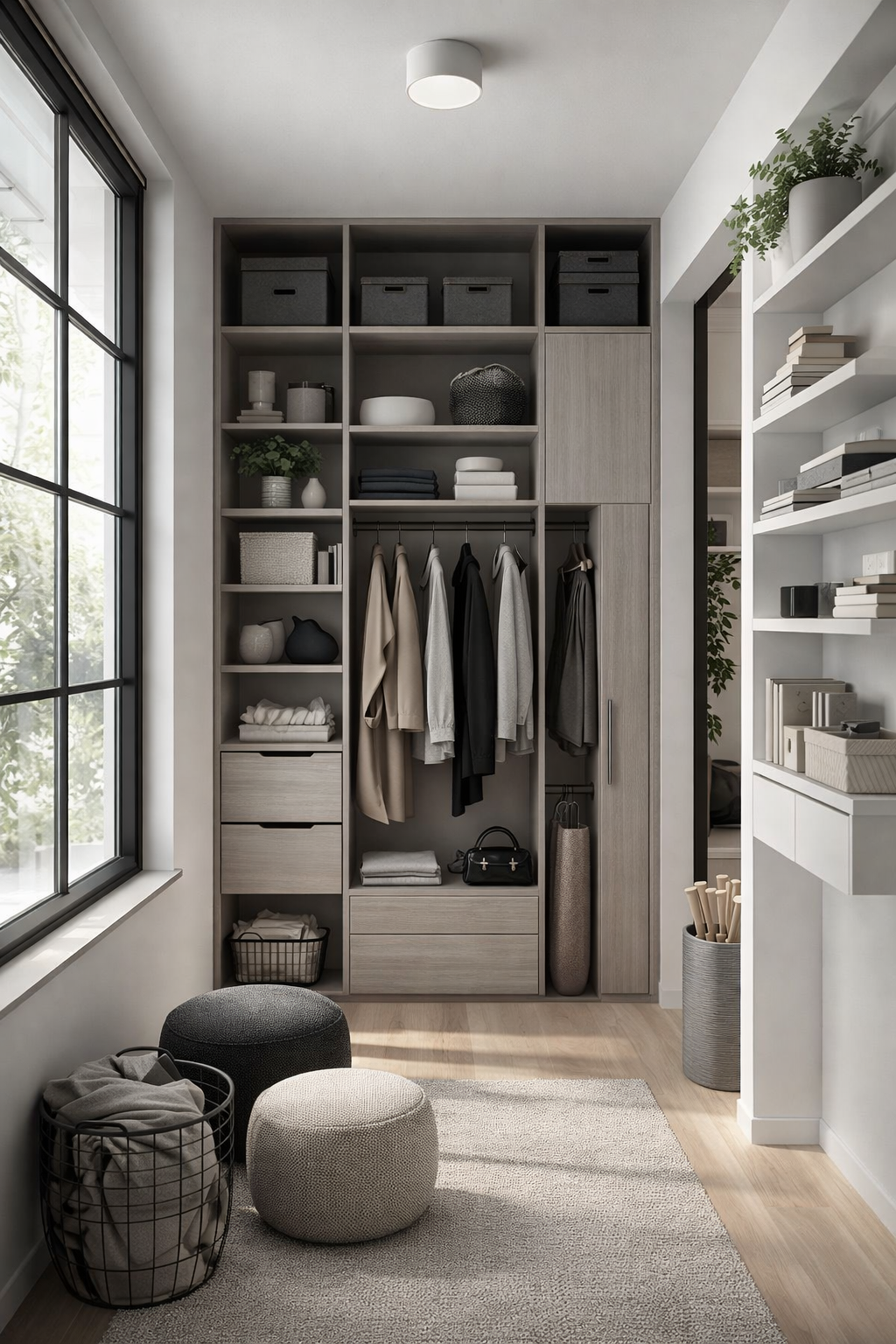
- Bedroom/Closet: Slim bookcases, over the door hooks for bags/hats, or hanging organizers for shoes and accessories. Inside closet doors, try shelf-mounted wire baskets for linens and lightweight items. See more in our small apartment organization guide.
For more kitchen-specific storage organizers, browse our up-to-date list of space saving kitchen organizers.
Installation & safety checklist (step-by-step, printable)
- Check for product recalls or CPSC safety warnings (especially weld failures—see official CPSC alerts).
- Visually inspect your storage unit for any dents, cracks, or bent hardware before mounting.
- For heavy units, find studs with a reliable stud finder and pre-drill pilot holes; for light units or renters, use tension or magnetic setups.
- Choose wall anchors rated for the load and your wall type (plaster, drywall, concrete).
- Assemble carefully—follow instructions and don’t improvise if hardware or alignment seems off. Double-check tightness.
- Load shelves minimally at first; check for buckling, slippage, or instability.
- Inspect all units monthly—remove and repair anything that shows stress, squeaks, or movement.
- If renting, document your install with photos for your records—especially before and after moving out.
For larger home organization needs, explore our detailed breakdown of aesthetic home organization ideas.
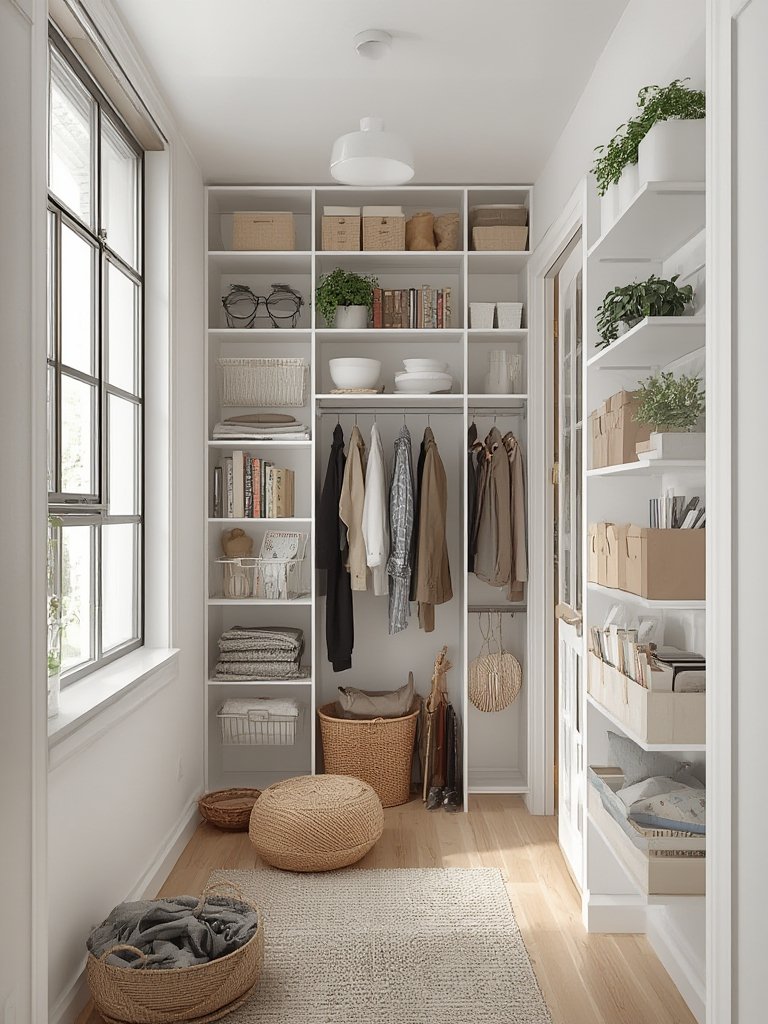
How vertical storage affects renter satisfaction and resale — practical recommendations
No current studies directly quantify the effect of vertical storage ideas on either renter happiness or resale value in urban apartments. However, experience and reviews show:
- In rentals: Reversible or tension-based installs keep security deposits safe, reduce move-out stress, and make the space more functional during your stay.
- If you own: Investing in premium, permanent vertical shelving for small spaces adds appeal for future buyers, especially if documented in listings with professional photos.
- Wall-mounted shelving that requires drilling can lower renter-friendliness and may leave damage, so opt for less destructive methods whenever possible.
Keep receipts and take post-installation photos if you ever sell or sublet. Permanent installs are best reserved for your “forever” home, while all other spaces benefit from modular and removable options.
FAQ
What are the safest vertical storage ideas for renters?
Choose tension-based rails, over door storage organizers, and adhesive micro-shelves. These are easily installed, removed, and patched up—no drilling required and minimal risk to your walls or security deposit.
How do I know if my wall mounted storage solution is safe to use?
Check for CPSC or recall warnings, inspect welds for bends/cracks, and ensure you use anchors designed for your wall material. Don’t overload shelves and do monthly checks for instability.
What materials last longest for vertical shelving in small spaces?
Solid wood lasts longest if well finished. Metal is durable but can fail at welds (especially under stress). MDF/particleboard shelves tend to break sooner, especially in humid environments or if overloaded.
Should I avoid installing tall narrow storage cabinets if I rent?
Only if they require heavy drilling. Freestanding cabinets, over-the-door organizers, or rail/tension systems are safer choices. Always patch mounting holes before moving out and use removable anchors if you must mount anything permanently.
Can I use vertical storage in every room?
Yes—adapt the system to fit the space. Over door storage organizers work for kitchens and bathrooms, while tension-based shelving suits closets, laundry, or bedrooms. Choose waterproof or sealed options in damp areas.