
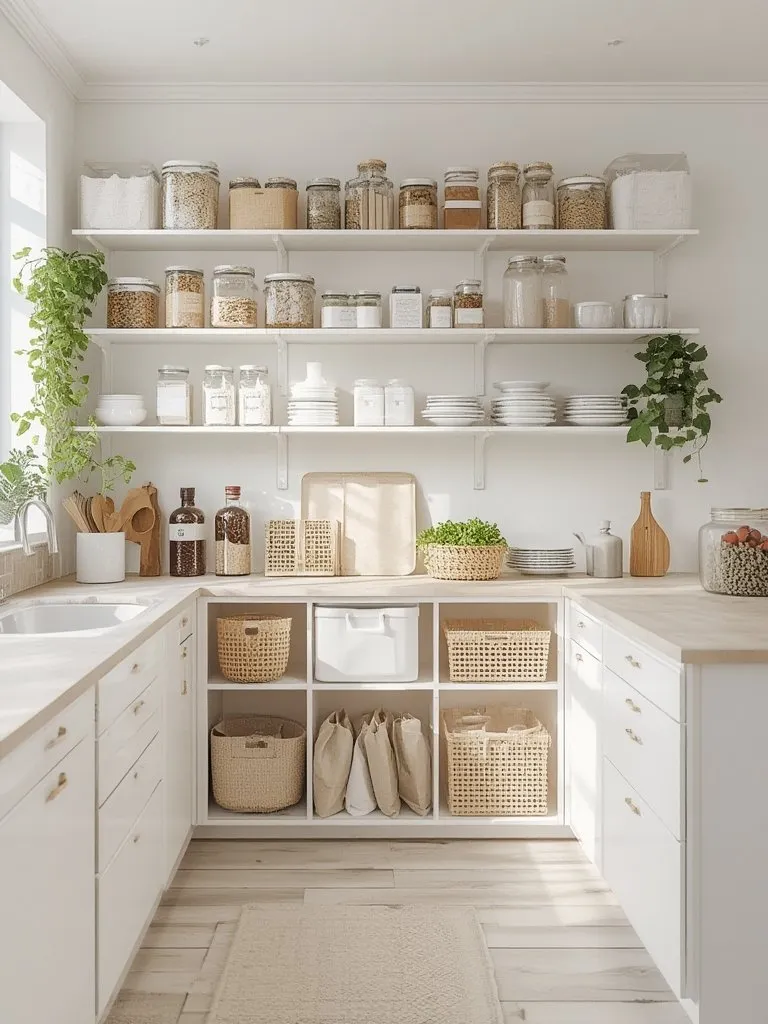
Eco friendly home organization is becoming a top priority for urban and suburban homeowners looking to cut plastic waste, save money, and build a healthier space—without falling for greenwashing or spending a fortune. If you want real results and credible methods to switch to sustainable home storage, this guide is for you.
Key Takeaways
- There is no public data on how many households actually practice eco friendly home organization—but market growth and product variety are exploding.
- Most guides skip practical math, product vetting, or durability hacks. This article fills those gaps with actionable, budget-aware advice.
- Always verify “non-toxic” and “plastic free” claims by reviewing third-party test results and consulting credible certifications.
Table of Contents
Why this guide — what “eco friendly home organization” really means
Eco friendly home organization covers three main ideas: sustainable home storage, plastic free organization, and zero waste storage ideas. The challenge? Most product claims are vague. Certifications often apply to whole buildings, not your actual closet bins. Real-world data about how many people use sustainable storage methods—or how these choices affect your wallet and health—remain missing as of 2024. [Source]
Here’s what you can expect from this guide:
- Clear definitions of eco friendly home organization (no greenwashing)
- Actionable product swaps, DIY ideas, and cost/durability tips
- Proven frameworks to vet claims so you avoid empty marketing promises
- Guidance on how to collect your own evidence where public data is missing
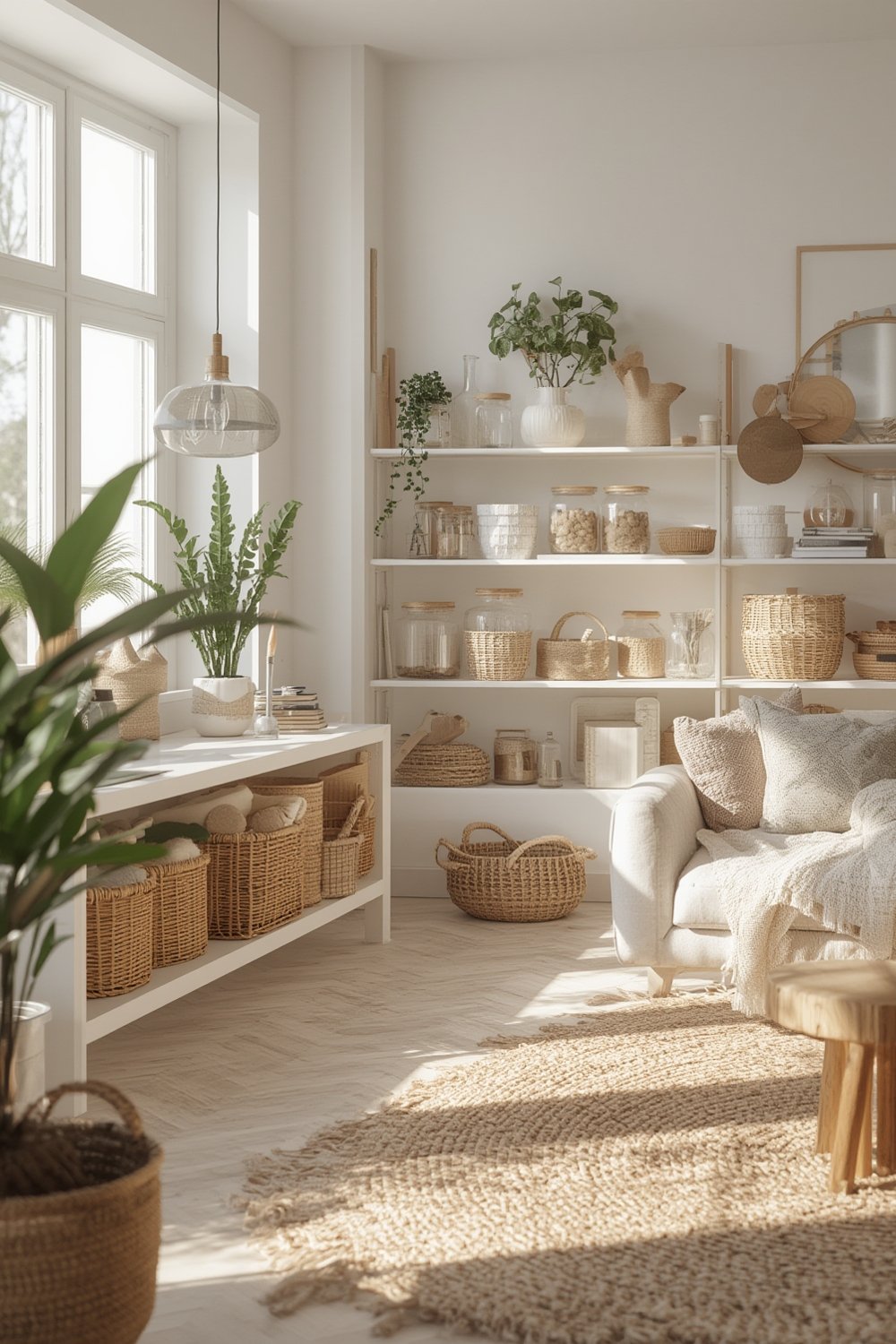
No published research confirms which eco friendly storage products hold up, which save money over time, or which are truly non toxic. This is a fast-growing market, not a mature science. That’s why practical, hands-on organization—combined with smart consumer skepticism—is key.
Ready to get started? Here’s what to do next.
Step-by-step guide: How to adopt sustainable home storage in 2024
- Audit what you already own. List your current plastic bins, containers, and organizers. Note which items break or need frequent replacing. This is your “starting baseline.”
- Set a clear goal for one room or storage zone. Don’t overhaul your entire home at once. Pick your kitchen pantry, your closet, or under-bed storage—whatever gets regular use.
- Research swaps. Search for plastic free organization alternatives: glass jars, bamboo storage containers, metal bins, or upcycled boxes. Use precise terms (e.g., “bamboo storage containers” or “non toxic storage bins”) when comparing options.
- Vet product claims before buying. Check the packaging or online description for:
- Material breakdowns
- Third-party lab test results (e.g., for BPA, phthalates, heavy metals)
- End-of-life plan (Can it be composted or recycled?)
If there’s no data, contact the brand or skip the product.
- Compare costs (upfront and long term). Use this simple framework:
- Upfront price / expected number of uses = cost-per-use
- Estimate lifespan vs. typical plastic equivalent
- Note maintenance requirements (e.g., hand washing bamboo but dishwasher safe glass)
- Is there resale value or can you upcycle later?
Example: Is a $19 bamboo box that lasts 4 years cheaper per use than a $9 plastic bin that cracks after 18 months? This math matters.
- DIY or upcycle where possible. Upcycle jars for bulk storage, repurpose baskets, or make organizers from scrap fabric or wood. Track how much waste this diverts from your trash.
- Track impacts and satisfaction. After you switch, keep a note (spreadsheet or journal) on durability, ease of cleaning, user satisfaction, and costs. This helps identify true wins versus hype.
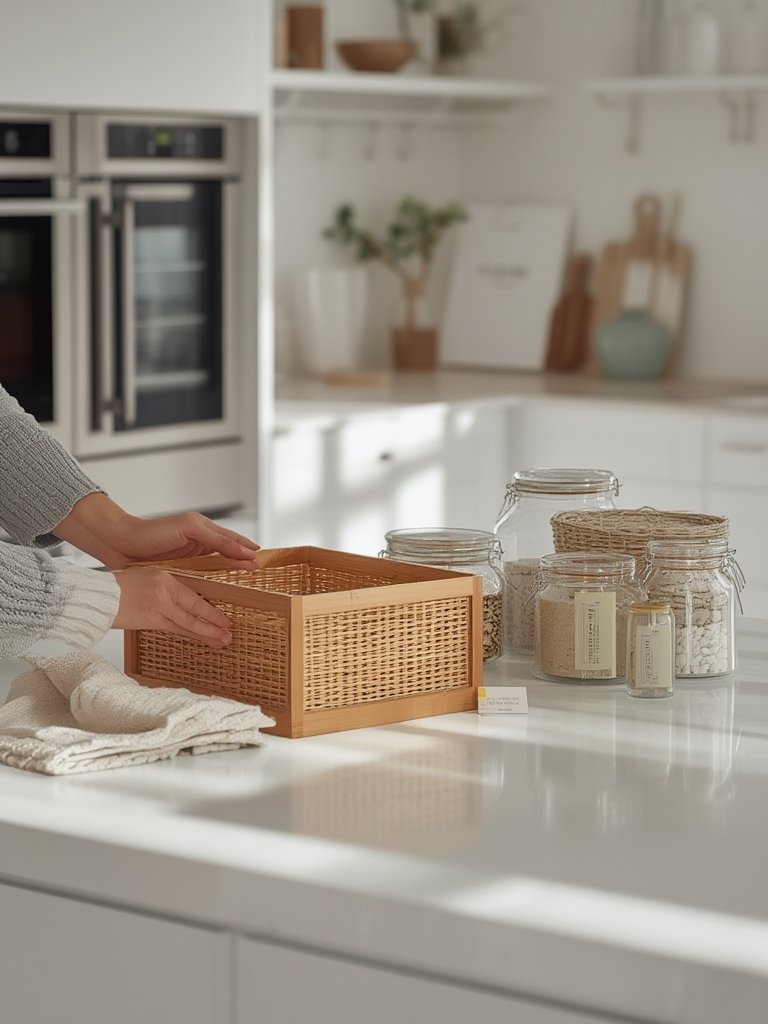
Want more inspiration? Check out how to organize your kitchen or try space saving kitchen organizers for ideas that work well with sustainable bins and upcycled containers.
- For tight budgets, prioritize swapping organizers in high-traffic, “replace often” zones (like fridge storage or kids’ playrooms) for the biggest eco and cost return.
- Mix in one or two glass food storage sets that support long-term, sustainable storage, such as glass food storage sets or wood baskets.
Advanced analysis & common pitfalls: What research (and reviews) say
Even as demand for sustainable home storage grows (market reached $6.1B in 2024), published research currently leaves many gaps. Here’s what you need to watch for—and how to fill the data voids yourself.
No large, credible datasets for user complaints or product failures
- There are no public databases or studies showing durability or accessibility issues for bamboo storage containers or non toxic storage bins. Reviews and forums are your best source for product vetting.
- Price differences (upfront or long-term) between plastic-free organization products and conventional bins are not well documented. Any claims are based on market growth rather than side-by-side cost analysis. [Read more]
Common mistakes people make
- Not checking for real “plastic free” status—some bamboo bins use glue or resin that aren’t labeled
- Assuming “eco” means more durable: In reality, some zero waste storage ideas like cheap bamboo containers can crack or stain if washed improperly
- Missing maintenance routines: Sustainable bins may need more gentle cleaning
- Forgetting to factor in ease of use—some all-metal bins are heavy and awkward, especially for children or accessibility needs
| Product Type | Claimed Benefits | Potential Pitfalls |
|---|---|---|
| Bamboo storage containers | Plastic free, compostable | May contain hidden glues; prone to cracking if soaked; requires hand washing |
| Glass jars | Zero waste, easy to clean, inert | Heavy; can break if dropped; higher upfront cost |
| Non toxic storage bins (metal or silicone) | Safe for food; reusable | Must verify brand/test results; silicone can trap odors or stain |
| DIY upcycled organizers | Lowest cost, no new plastic, unique look | Not always durable; aesthetic may not appeal to all |
What to do when you can’t find good data
- Dig deep into verified buyer reviews, especially “lowest rated” filter
- Ask for or review warranty and return info—short warranties can signal lower expected durability
- Conduct your own usage tests: track how long each product lasts, ease of cleaning, and whether you actually save money over time
- Contact brands for lab results or materials disclosures—stick with those who answer thoroughly
- Consider starting a small household experiment or survey with friends/neighbors to gather results on durability and satisfaction
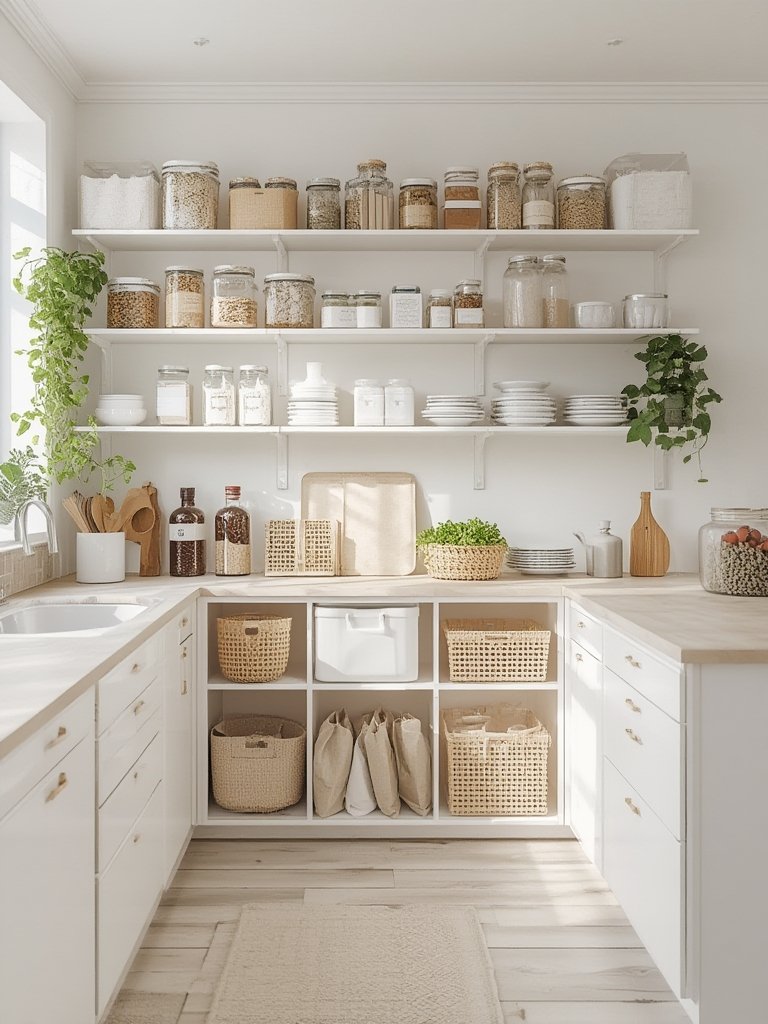
Tip: For more narrowly focused organizers, check the glass container review for specific durability findings—these insights often apply to other reusable solutions as well.
Conclusion & next steps
Eco friendly home organization is growing rapidly, but hard data and credible comparisons remain elusive. That means your choices—what you swap first, how you verify “non toxic” and “plastic free organization” claims, and how you measure durability—are more important than ever.
Start with one targeted swap like bamboo storage containers in your kitchen or closet. Track cost-per-use, take before/after photos, and don’t trust generic marketing—always look for third-party lab results, detailed materials info, and genuine product reviews.
For editors and writers: Make your coverage unique by sharing real reader/tester experiences, DIY hacks, and the numbers behind long-term savings. Over time, publishing survey results, lab test case studies, or in-depth cost breakdowns will set you apart in the crowded eco advice space.
Ready to take your eco friendly home organization to the next level? Swap out one plastic organizer this week, track its performance, and share your experience to help others do better.
Frequently Asked Questions
How can I tell if a “non toxic storage bin” is truly safe?
Look for clear third-party test results (for BPA, phthalates, heavy metals), materials reporting, and eco-labels with cross-checked certification standards. If the brand won’t share this data, consider skipping it.
Is it more expensive to switch to plastic free organization?
Upfront costs are often higher when buying glass or bamboo containers, but their longer life and reuse potential can lower total cost per use. Calculating this will help you decide where to invest.
Do bamboo storage containers last as long as plastic?
Bamboo containers can be durable if maintained properly (avoid soaking, hand wash, dry fully). However, they can crack under frequent wet use, so tracking performance is key. No current public data provides a full comparison to plastic bin lifespans.
What’s the best way to dispose of zero waste storage containers?
Glass and metal bins are fully recyclable; bamboo and wood organizers can go in municipal compost (if free from chemicals or finishes), or be reused as drawer dividers or planters to extend their life.
How do I compare environmental impact if no metrics are available?
Estimate the pounds of plastic replaced per year, count reuse cycles, or organize a small survey of local users to collect waste-diversion stats. Over time, this creates real evidence for your household or community.