

Garage organization system installations are one of the smartest ways homeowners can increase usable space, improve safety, and raise property value without major construction. But most online guides skip crucial details—real-world prices, technical specs, and the mistakes that can cost thousands. If you’re planning a full-scale garage storage upgrade, this is the data-driven guide you actually need.
Table of Contents
Key Takeaways
- The garage organization system market will top $1.84 billion by 2026 and is driven by modular racks, heavy duty shelving units, and smart integration features.
- Realistic upgrade budgets (2024–2026) range from $1,800 for high-end DIY builds to $7,000+ for premium contractor-installed systems—fragmented market means price transparency is rare.
- Critical pitfalls like overloaded racks, corrosion, or hidden installation risks can destroy ROI—this guide covers technical specs, budgeting, and safety measures competitors don’t mention.
Market snapshot — why now is the time to invest in a garage organization system
The global garage organization system market is growing rapidly as homeowners look to turn garages into functional, heavy-duty storage and multi-use spaces. By 2026, the market is projected to be as high as $1.84 billion, with adoption surging through 2035 thanks to technologies like smart integration, sustainable materials, and highly modular racks and shelving [source]. North America remains the fastest-growing region, with the US alone expected to see an 8.9% CAGR in the specialty garage market from 2026–2033.
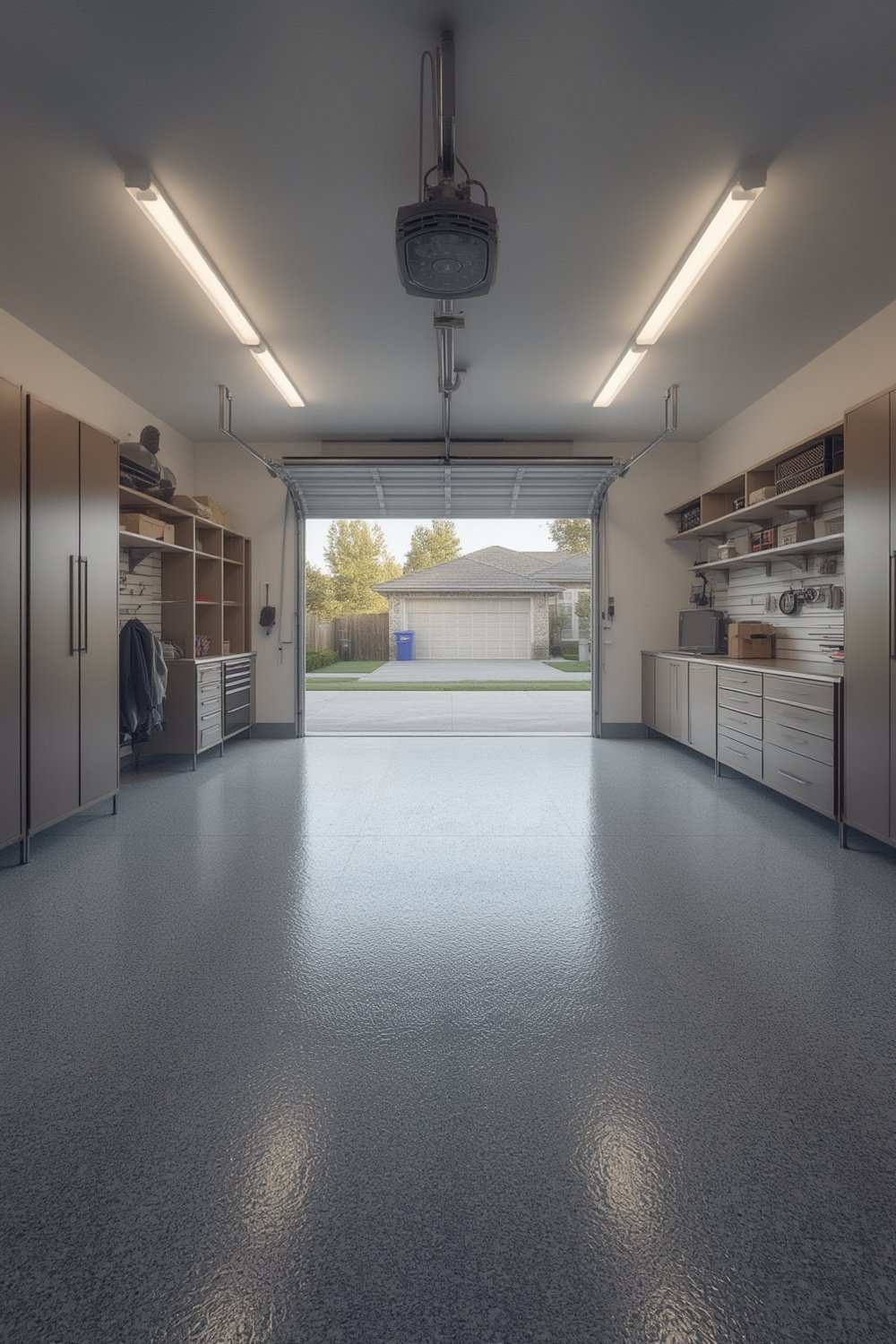
The rise of modular, customizable systems—especially racks, ceiling garage storage, and heavy-duty shelving units—means homeowners can now plan upgrades that are safer, smarter, and more visually organized than ever.
Why invest now? Space is at a premium. Better storage increases both daily convenience and long-term home value. Demand and prices are rising—waiting may cost you, especially if your region’s installer schedules book up during peak season. With macro trends like urbanization and sustainability, garages are rapidly becoming an essential extension of the modern home, not just somewhere to park a car.
Step-by-step large-scale garage organization system upgrades
Successful full-garage upgrades require careful planning, budgeting, and precise installation. Here’s a proven framework for maximizing results and minimizing risk—no matter your starting point.
- Assess Your Garage & Set Your Goals
Inventory tools, seasonal gear, bikes, and rarely-used items. Decide which zones need ceiling garage storage, wall mounted garage system panels, or extra-deep racks.
Common goals: maximize parking space, increase safety for kids/pets, add a workbench, or create bulk item zones. - Choose Your System Types
For most two-car garages, combine these for max efficiency:- Overhead racks (ceiling garage storage, 400–800+ lbs)
- Heavy duty shelving units (freestanding or wall-mounted, up to 2,000 lbs per rack)
- Wall mounted garage system panels with flexible hooks/bins
- Cabinets for hazardous materials or sensitive items
- Budget Realistically
DIY routes using major hardware store brands (Husky, Gladiator) can run $1,800–$2,600 all-in. Premium modular installs (NewAge, custom steel) with pro labor often total $4,500–$7,500 for a 2–3 car garage. Mix and match as your needs and ROI dictate.
See detailed price breakdowns and templates below. - Plan Installation Sequence
Always start with ceiling platforms (they’re safest to install empty), then do wall systems, then deploy racks and cabinets. If you intend to anchor into concrete or block, get the right hardware—failure to do so is the #1 cause of long-term safety hazards. - Finish with Labeling & Maintenance Plan
Once installed, label every bin and shelf. Schedule quarterly checks of rack anchoring and look for rust or corrosion—well-maintained shelving units can last 15+ years, but only if inspected regularly.
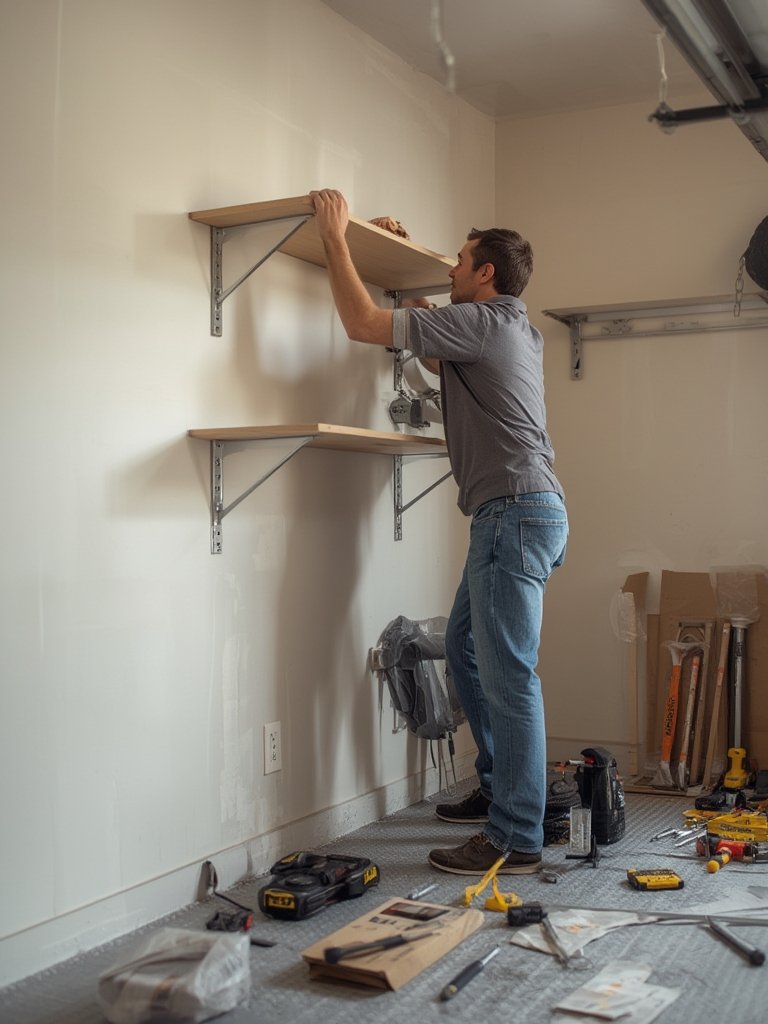
Want a more modular approach? Build zones so you can swap wall panels or move racks as your needs shift—especially if you plan on seasonal overhauls or storing different vehicle types over time.
Advanced analysis & common pitfalls in garage storage upgrades
Competitor articles rarely address these high-impact pitfalls, but they’re crucial for a safe, durable, and cost-effective garage organization system:
- Installation Complexity: Many wall mounted garage systems or ceiling garage storage kits require precise anchoring into studs or joists—not drywall. Missed anchors or subpar hardware can cause catastrophic failure, especially if you exceed recommended load specs.
- Unclear Load Ratings: Manufacturers sometimes advertise “maximum load” per shelf/rack—but only if installed in optimal conditions. Always check the fine print and go 20% under the advertised max if your wall is older, irregular, or has been repaired.
- Space-Efficiency Gaps: Oversized racks or poorly placed ceiling garage storage can block doors, lighting, or even your garage door tracks. Always dry-fit components and measure all door sweeps in advance.
- Corrosion & Wear: Even powder-coated steel can rust in humid climates or if bolts are left loose. Examine for sharp edges or flaking after 12–18 months; repair immediately to avoid injuries or expensive replacements.
- Advertised vs Real Volume: Watch for shallow shelving units, misrepresented platform depths, or systems that claim “1000 lb” but lack anchor hardware rated for that weight. Demand a material spec sheet before buying premium systems.
| System Type | Typical Max Load | Installation Risk Level | Long-term Durability | Common Failure Mode |
|---|---|---|---|---|
| Wall Mounted Garage System | 100–500 lbs per panel | Medium–High (anchoring is critical) | 10–15 years (with checks) | Anchor bolts loosening; panel warp |
| Ceiling Garage Storage Racks | 250–800 lbs per platform | High (fall risk, must hit joists) | 8–12 years (risk of corrosion) | Partial detachment; fastener failure |
| Heavy Duty Shelving Units | 500–2,000 lbs per rack | Low–Medium (floor evenness) | 12–20 years | Load buckling; footpad rust |
| Freestanding Cabinet Systems | 200–600 lbs each | Low (minimal anchoring) | 10–15 years | Door/hinge failure |
For further professional organization inspiration, you might enjoy our Smart Home Organization Tips or Best Kitchen Organization Solutions—many layout principles apply directly to full-garage projects.
Conclusion
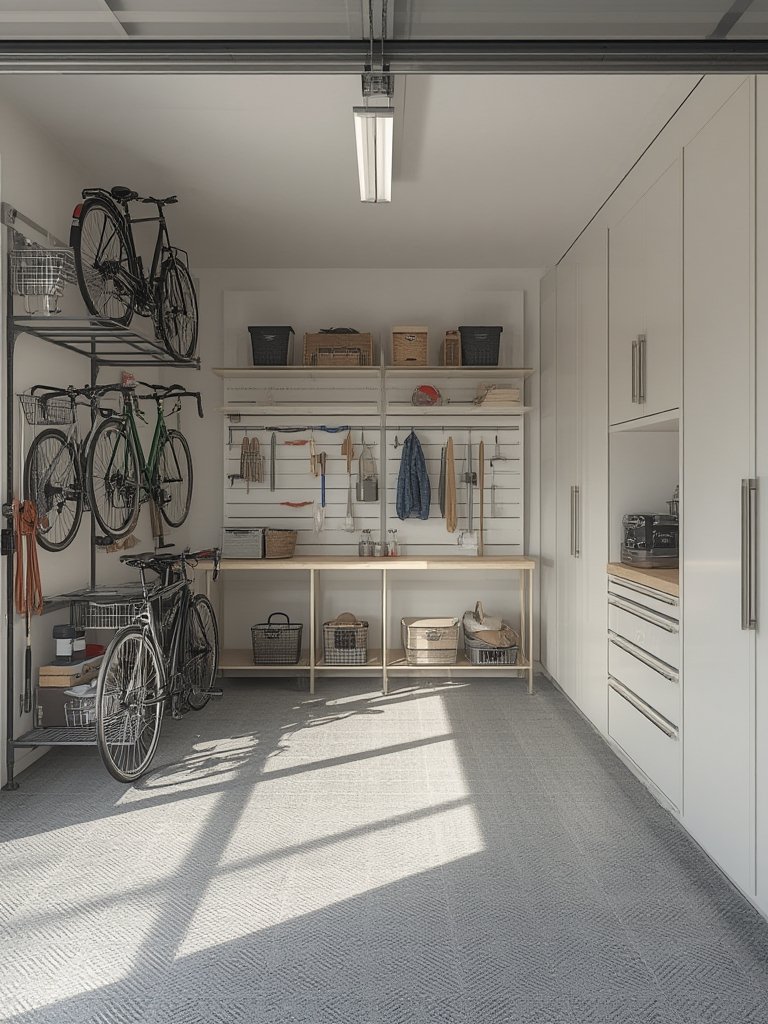
Investing in a professionally planned garage organization system delivers usable square footage, better safety, and higher resale value. But the real advantage comes from using the right specs, calculating your budget up front, and following proven, step-by-step techniques. Don’t let installation errors or unclear pricing derail your upgrade. Do your research, compare technical details, and you’ll get a system that performs for a decade or more.
Ready to start mapping your garage? Shop systems, compare manufacturers, or create your first DIY garage storage layout—and reference this guide to ensure you avoid the biggest pitfalls using a garage organization system built for long-term ROI. For more organization solutions, check out our expertise on small apartment storage and space-saving kitchen organizers.
Action step: Download a free planner and get professional install quotes this week. Don’t wait—demand and pricing are only going up through 2026.
FAQ
What’s the average price for a full-sized garage organization system?
Most 2-car garage upgrades run $1,800–$7,000 depending on size, system materials, and pro vs DIY installation. Modular heavy duty shelving units and ceiling garage storage racks cost more to install but deliver higher long-term value.
Can I safely install overhead garage storage racks myself?
If you’re comfortable finding joists and using heavy anchors, it’s DIY-friendly. Always follow manufacturer load limits, use a helper, and never mount directly into drywall.
How much weight can heavy duty garage shelves hold?
Freestanding heavy duty shelving units are typically rated for 500–2,000 lbs per rack when properly assembled and placed on level concrete. Always check technical specs.
Is DIY always cheaper than professional installation?
Not always. Pro installs include warranty and usually safer anchoring—especially for wall mounted garage system setups. DIY can save money if you have tools and time but may expose you to higher risk if mistakes are made.
Do garage organization systems add property value?
Yes. Especially high-end, modular, or smart-integrated systems. Organized, efficient garage storage is a strong selling point and often cited on listings as an upgrade feature.