
Under sink organization ideas are the fastest route for busy renters and new homeowners to eliminate daily cabinet chaos, protect their essentials, and reduce moisture and odor headaches—without committing to heavy DIY or risking the security deposit. This guide unpacks the buying and install pitfalls most articles miss, and gives you actionable steps to organize smarter for both kitchen and bathroom sinks.
Key Takeaways
- Most “universal” under-sink organizers ignore pipe clearances, moisture threats, and the reality that renters can’t drill—measure everything before you buy.
- Wire sliders, expandable shelves, and plastic bins have different strengths; choose based on your environment and installation restrictions.
- Product prices, durability, and dimensions are rarely standardized—always fact-check reviews and return policies on every purchase.
Table of Contents
Why under-sink organization matters (real benefits & common risks)
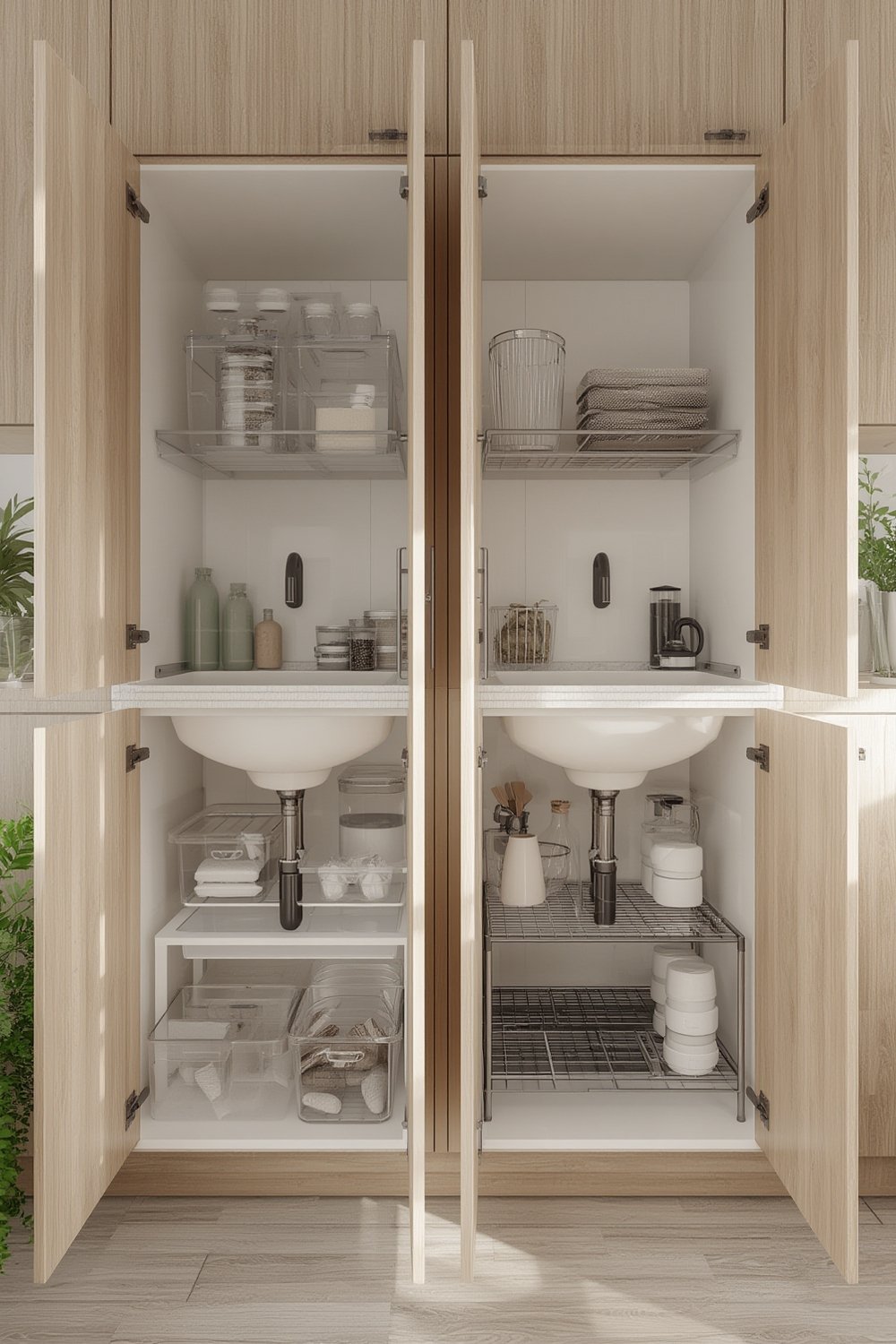
Good under sink organization ideas do more than make your cabinet look neat. Quick access to cleaning or personal care supplies keeps your routine efficient, while segregation protects items from plumbing leaks—a real risk in older or rented units. An organized under-sink area also controls odors, prevents expired products from accumulating in the back, and safeguards cleaning chemicals from curious kids or pets.
Ignoring under-sink clutter raises hidden dangers: leaks can soak paper products, warp wooden shelves, cause mold, and contaminate everything you store. “Moisture and leaks: Wet environments risk water damage to stored items; leaks from plumbing can contaminate contents.” [Source]. Organizing isn’t just cosmetic; it can prevent property loss and costly repairs down the line.
What the data is missing — market, durability and pricing gaps
Unlike other home organization trends, concrete data on under sink organization ideas is surprisingly scarce. “No specific market statistics or growth trends for under sink organization products in 2026 are available in the search results.” That means no benchmarks to tell you what a fair price, typical feature set, or average durability actually looks like. This can make online shopping—and even in-store buying—feel like a gamble.
There’s also “no explicit durability ratings… no averages, material-based variations, or feature breakdowns.” Companies rarely state how long wire sliders will last in moist conditions, or if one expandable under sink shelf outlives another. With few pricing averages, set a budget only after researching a handful of real-world examples. For renters and first-time buyers, prioritize products with long warranties, proven user reviews, and open return policies.
Want more data-driven kitchen storage inspiration? Don’t miss our Best Kitchen Organization Solutions roundup.
Common pain points (so you buy/measure for the right solution)
The most cited reasons organizers end up collecting dust under the sink:
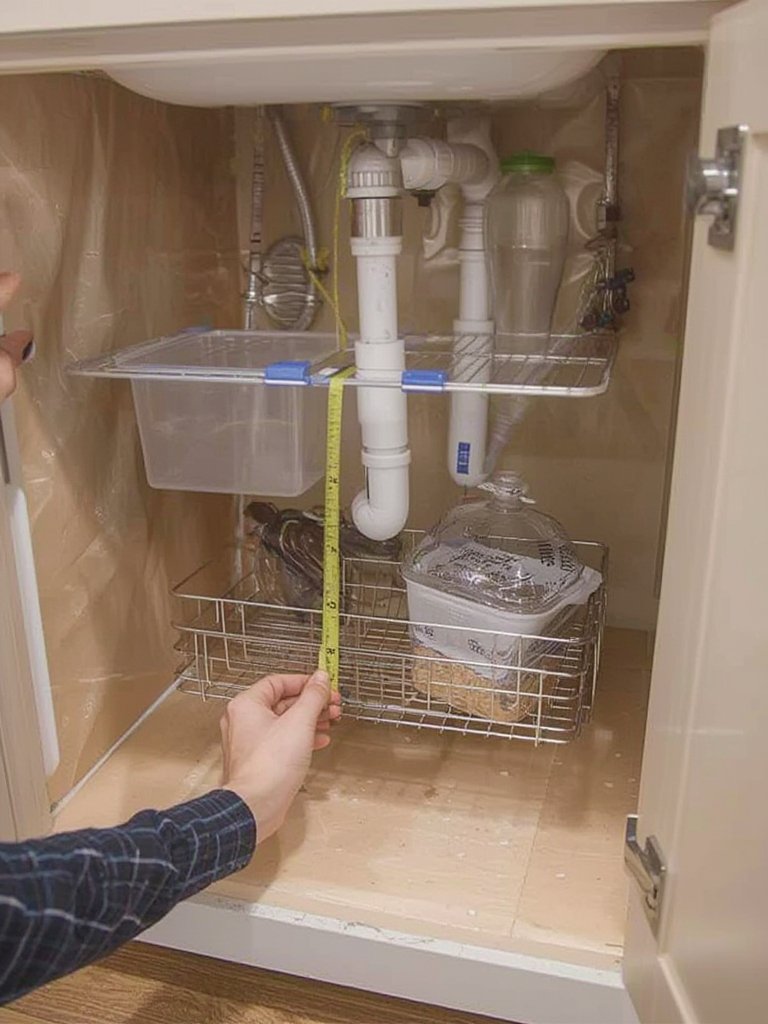
- Pipe and plumbing interference. “Sink pipes protrude too far, preventing sliders or baskets from fitting properly or clearing door molding.” [See demo] — always measure exact pipe positions.
- Insufficient cabinet clearance. Tall organizers can’t fit beneath shallow sink bowls or in vintage cabinetry. Go for low-profile and adjustable items.
- Door-mounted organizer pitfalls. Bulky racks block interior storage or hit plumbing, and overloading can split MDF cabinet panels.
- Accessibility headaches. If items are buried behind rigid racks, they’ll just pile up in the front or get lost in the back.
- Moisture, odor, and leaks. Use sealed bins and vinyl liners to catch drips and keep surfaces dry.
Especially for small cabinet storage ideas or under bathroom sink organizer hunting, check both cabinet height and pipe depth before buying.
Materials & durability — what performs best under sinks
Materials matter most in damp or heavily-used kitchens and bathrooms. Here’s how common choices stack up for expandable under sink shelf and pull out cabinet drawers:
| Material | Pros | Cons | Best For |
|---|---|---|---|
| Wire (chromed steel) | Smooth sliding; open airflow; easy wipe-down | Requires drilling; may rust; challenging fit around pipes | Permanent installs, wide cabinets, owners |
| Powder-coated Metal | Corrosion resistant; strong; easier to clean than bare metal | May still require screws; fit issues persist | Moist environments, high-traffic areas |
| Plastic (open grid/hollow) | Lightweight; moisture-proof; no rust; often “tool-free” assembly | Less rigid if heavily loaded; sometimes less attractive | Renters, bathroom/kitchen sink pipes, low-clearance |
| Composite/wood pulls | Elegant; strong if well-sealed | Swells with leaks; not advised in damp settings | Dry bathrooms, vanity storage |
“Wire construction: Common in sliders and baskets… allows smooth sliding but requires drilling for installation; prone to fit issues around pipes.”
“Hollow/open grid design: Prevents water buildup, enables easy wiping or rinsing.” [Source].
Always prefer moisture-resistant polymer or powder-coated metal beneath kitchen sinks or in high-humidity areas. For more small-space storage strategies, visit Small Apartment Organization Ideas.
Pricing reality — what to expect and one concrete example
Despite dozens of brands competing for attention, there’s a surprising lack of transparency in the price tags of under bathroom sink organizer and kitchen under sink storage rack options. Materials like wire and metal are usually more expensive, especially for pull-out or full-extension styles with dual baskets or sliding tracks. Plastics and grid designs are more affordable but may skimp on long-term durability.
Example: “One wire under sink organizer with sliding drawer and top basket from Costco costs $33.99; includes rods and rubber covers but faced fit issues in older cabinets.” [Source] This is typical for mid-range hardware-store finds, but special features (soft-close, adjustable widths, corrosion-proofing) can raise the price quickly.
For bathrooms or kitchens that see a lot of mess or moisture, expect to pay slightly more for vinyl-lined and waterproof organizers. Always check real-time pricing and stock with retailers—there’s no “standard” to rely on. You may also want to research more kitchen cabinet storage organizers to compare costs and features.
Small cabinet storage ideas pros actually recommend (low-cost, high-impact tactics)
Professional organizers almost always skip complicated assemblies. Their best small cabinet storage ideas focus on visibility, moisture-blocking, and maximum access:
- Transparent, lidless bins with side handles: Use as pull-out trays to catch leaks, see everything at a glance, and easily remove or push back supplies. Ideal for very small or pipe-filled cabinets (source).
- Concentrated pods/tablets: Replace bulky bottles with concentrated cleaning tabs or pods; this saves space and is eco-friendly.
- Over-the-door organizers (thin profile): Great for cabinets with sturdy doors, but avoid overloading. Useful for storing light brushes or sponges.
- Shower caddies: Use as a grab-and-go basket for cleaning supplies—especially smart if you share cleaning duties in a rental.
- Lazy Susan: Let bottled items spin for access without knocking over everything in the back row—especially handy for deeper cabinets.
- Moisture-resistant liners: Add a vinyl shelf liner (even cut-to-size). It’ll catch leaks and keep surfaces wipeable.
For even more strategies on tight spaces, visit our kitchen organization tips page.
Installation difficulty & renter-friendly options (realities around “no-drill” claims)
Installation is where most renters run into trouble. Most robust pull out cabinet drawers require at least four small pilot holes and a screwdriver. The popular wire slider from Costco (Trinity model) requires drilling, fitting, and pipe negotiations—not suitable if your lease prohibits modifications.
If a product claims “tool-free assembly,” verify it doesn’t just mean “easy to screw in.” Unless you want to patch holes later, always skip slide-out hardware. No reputable source currently describes reliable, load-rated no-drill slide systems. Portable or door-hung options are safest for renters.
How to choose the right solution for your scenario
Match your choice to both the cabinet physical constraints and your daily needs. Here’s the decision flow:
- Carefully measure the dimensions from cabinet walls to the center of all pipes; measure cabinet height too. Don’t trust “universal fit” claims.
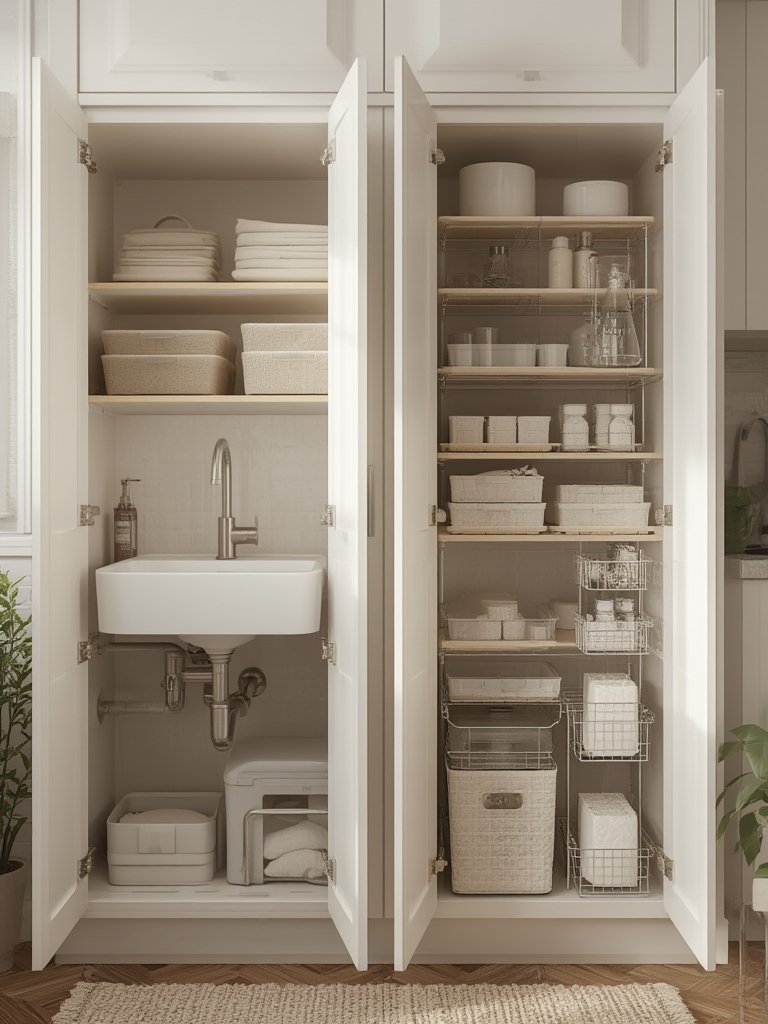
- Choose bins, caddies, or lazy Susans if you want top-down view and grab-and-go access, especially in cluttered, pipe-choked spaces. Small, single-tier racks make access easy for renters.
- Pick pull-out cabinet drawers only for wide cabinets with enough depth to mount slides around pipes and with landlord approval.
- Prioritize moisture-resistant materials and vinyl liners if the area handles cleaning supplies or is in the kitchen (most likely to have leaks).
- For shallow cabinets (often seen under older bathroom sinks), avoid organizers with tall top baskets. “Insufficient clearance: Top baskets lack height clearance in older cabinets (e.g., from the 1990s), requiring careful loading to avoid interference with cabinet tops.”
Still unsure? Compare with our best small kitchen storage organizers guide for more solutions tailored to tight spaces.
Quick install & maintenance checklist (step-by-step for non-DIY users)
- Gather a measuring tape, phone flashlight, paper, and pen. Measure inside width, height under pipes, and depth from the front edge to the first obstruction.
- Note and sketch the position of all pipes, valves, and odd protrusions. Double-check the distance to cabinet door hinges and interior shelving—photos help.
- Shop for portable bins, shower caddies, or tension rod shelves if you rent. For owner installs, check for adjustable, screw-mounted options—ensure a return policy!
- Before loading organizers, wipe all surfaces clean and fit a cut-to-size vinyl liner for water protection. “Vinyl drawer liners advised to protect against damp conditions.”
- Arrange heavy items on the bottom and stow lighter items/lids upward for air circulation.
- Monthly, inspect for leaks, wipe down bins, replace musty/warped liners. Smell check for trapped odors, especially near rarely accessed supplies.
Get more smart kitchen storage tips at How to Organize Your Kitchen Like a Pro.
Buyer’s checklist & features to prioritize
- Adjustable width (expandable under sink shelf) and varied bin depths for different supplies
- Load rating (should be stated for pull out cabinet drawers)
- Corrosion- or moisture-resistant finish
- Full-extension slides (for drawer systems)—only if drilling is permitted
- Tool-free assembly for portable solutions
- Return or exchange policy (vital for renters with unknown obstacles)
- Always measure for pipe clearance and cabinet height—never rely on “fits all” marketing
Remember: “Wire construction… allows smooth sliding but requires drilling for installation; prone to fit issues around pipes.” Double-check the specs before you commit.
Top mistakes to avoid & FAQs
- Skipping measurements and discovering the organizer blocks pipes or cabinet doors
- Assuming all pull-out drawers are no-drill (they aren’t)
- Overloading door racks and causing hinge damage or blocked plumbing
- Ignoring moisture—ruined supplies and odors will follow
Door solutions can be risky in tight spaces: “Bulky containers on doors reduce interior space, bump into plumbing or basin, and may damage cabinet finishes.” [Source]
Curious about decluttering your whole home? View smart home organization tips for broader strategies.
Conclusion
Effective under sink organization ideas will save you frustration, protect your essentials, and prolong the life of your cabinets—whether you rent or own. Measure carefully, choose materials for your real environment, and prioritize no-drill or portable storage if you’re a renter. Now is the time to reclaim wasted space and finally enjoy a safer, more efficient kitchen or bathroom.
Ready to get started? Grab your measurements and check today’s prices before buying any new organizer. For more space-maximizing tips, explore our best small kitchen storage organizers and kitchen cabinet storage organizers guides.
FAQs
Are there any true “no-drill” under sink organizers?
There are tension-fit shelves, portable bins, and certain over-the-door racks that require zero drilling or permanent modification—but these are usually limited to basic lightweight storage. Full-extension sliding drawers always require some screws or hardware for safety.
How can I prevent water damage under my kitchen or bathroom sink?
Lay down a waterproof vinyl liner before adding organizers. Choose sealed bins or trays to catch leaks, inspect piping monthly, and avoid placing cardboard or paper items directly in contact with cabinet floors.
What materials are best for a high-moisture environment?
Look for powder-coated metal, high-grade plastic (open-grid design), or commercial vinyl bins. Avoid raw or thin wood, as it can warp or mold quickly in humid spaces.
How do I know if an organizer will fit my odd-shaped cabinet?
Always measure the width, height, and depth of the space inside the cabinet, plus the distance between your pipes and all surrounding edges. Sketch or take a photo for reference. Never trust “universal fit” alone—read user reviews for comments about similar cabinet shapes.
What’s the fastest renter-friendly setup?
Use a clear, lidless bin for supplies, a vinyl liner on the bottom, and an over-door rack for extras. It takes less than 10 minutes, works around pipes, and won’t damage cabinetry.